

How Full Can I Load My Skip (Legal Fill Limit)?
Years of experience working in the waste disposal
Hiring a skip is a convenient way to dispose of waste, but many people are unsure how much they are allowed to put inside it. How Full Can I Load My Skip (Legal Fill Limit)? is a common question, especially for homeowners and builders trying to avoid extra charges or safety issues.
The legal fill limit exists to protect drivers, pedestrians, and the environment. Overfilling a skip may seem harmless, but it can lead to serious problems. Understanding the rules helps you load your skip correctly and avoid delays.
What is the legal fill limit for a skip?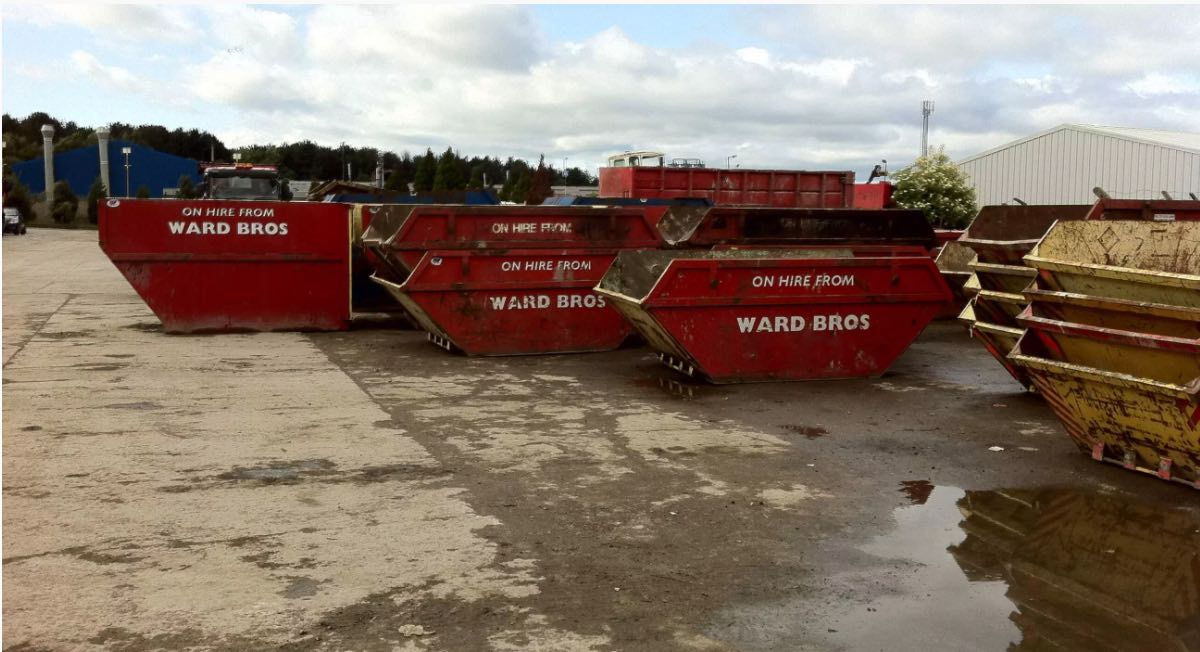
The legal fill limit means waste must not extend above the top edges of the skip. Everything should sit level with the sides, without bulging or spilling over. This rule applies regardless of skip size.
Once a skip is collected, it is lifted onto a lorry. If waste is sticking out, it can fall onto the road during loading or transport. This creates a safety risk and may breach transport regulations.
If a skip is overloaded, the hire company is legally allowed to refuse collection until excess waste is removed.
Why skips cannot be overfilled
Overfilled skips are dangerous. Loose materials can fall while the skip is being lifted. Sharp or heavy items can cause injury to workers or damage vehicles.
Weight is also a major factor. Each skip size has a maximum weight allowance. Even if waste looks level, dense materials like soil, rubble, or bricks can exceed safe limits.
Road laws require loads to be secure during transport. Skip hire companies must follow these regulations to avoid fines and liability issues.
What happens if a skip is too full?
If your skip is overfilled, collection may be delayed. You may be asked to remove excess waste before collection can take place. In some cases, additional charges apply for wasted journeys or manual adjustments.
Overloaded skips can also lead to higher disposal costs. Waste facilities charge by weight, and excessive loads may exceed what was originally agreed.
To avoid problems, it is always better to load carefully and evenly from the start.
How to load a skip correctly
Start by placing heavier items at the bottom. This helps distribute weight evenly and prevents the skip from becoming unstable. Break down bulky items where possible to save space.
Avoid throwing waste in randomly. Layering materials helps maximise capacity while staying within the legal limit. Keep waste flat and compact rather than piled high in the middle.
Do not wedge items so they stick out over the sides. Even a small amount above the rim can make the skip unsafe to transport.
Different waste types and weight limits
Not all waste is equal. Light materials like wood, plastic, and packaging take up space but add little weight. Heavy materials like concrete, tiles, and soil quickly reach weight limits.
Many skip sizes have specific restrictions for heavy waste. For example, a builder’s skip filled with rubble may reach its maximum weight before it looks full.
If you are unsure about waste types, ask your hire provider for guidance before loading begins.
Environmental and recycling considerations
Proper loading also supports responsible waste management. Overfilled skips are harder to sort at recycling facilities. This can reduce the amount of material that can be reused.
Companies offering recycling services durham and other areas rely on safe, compliant loads to process waste efficiently. Correct loading helps keep recyclable materials clean and separated.
By following the legal fill limit, you contribute to safer transport and more effective recycling.
Can you fill above the sides if it is covered?
Some people assume covering an overfilled skip with netting makes it legal. This is not true. Covers are designed to prevent loose debris during transport, not to secure overloaded waste.
If waste extends above the sides, it is still considered unsafe. The skip must be level-filled, even when a cover is used.
Always aim for a flat, even load that does not exceed the skip’s edges.
Tips to avoid overfilling your skip
Choose the right skip size from the start. Ordering a skip that is too small often leads to overfilling. It is usually cheaper to hire a slightly larger skip than deal with issues later.
Plan your waste disposal. If you expect more waste than planned, arrange an additional skip rather than trying to force everything into one.
If in doubt, stop loading before the skip reaches the top and seek advice.
Final thoughts on skip fill limits
How Full Can I Load My Skip (Legal Fill Limit)? The answer is simple: never above the sides and never beyond weight limits. These rules exist to protect everyone involved, from workers to road users.
Taking time to load your skip properly avoids delays, extra costs, and safety risks. It also helps waste handlers recycle materials more efficiently.
How Full Can I Load My Skip (Legal Fill Limit)? Knowing the rules before you start makes skip hire straightforward and stress-free.
Contact us
If you need advice on skip sizes, loading rules, or responsible waste disposal, contact our team today. We are happy to help and provide a free, no-obligation quote.